

It might not be New Year’s, but you’ve resolved never to spend another power outage in the dark. Not after the last one left you powerless for way too long. All of the food in your fridge went bad, and you were unable to heat up the baby’s food.
The power outage turned what should have been a relaxing Saturday into a stressful day of piling the kids into your car, driving in the storm, and waiting it out at your parent’s house. It’s easily one of your top ten days you never want to experience again.
So, you made the decision to install a generator. You hop online and are quickly overwhelmed with all the choices, models, and specifications. How do you even begin to figure out what type of generator you need, let alone what size is best?
Do You Want a Backup or a Standby Generator?
While portable generators are great when you go camping, they aren’t powerful enough to keep your home’s essential systems running during a power outage. Backup or standby generators are installed on your property and have enough power to keep the lights on. But how do you know which one would best suit your needs?
Backup Generator – A backup generator only powers the essentials, though you can pick and choose what systems are your priority. It can keep appliances running so you have heat, a working refrigerator, and lights. It can also keep computers running or other similar systems. Backup generators have a fuel tank that limits their runtime during an outage. They are also a shorter-term solution and have a much shorter lifespan than a standby generator.
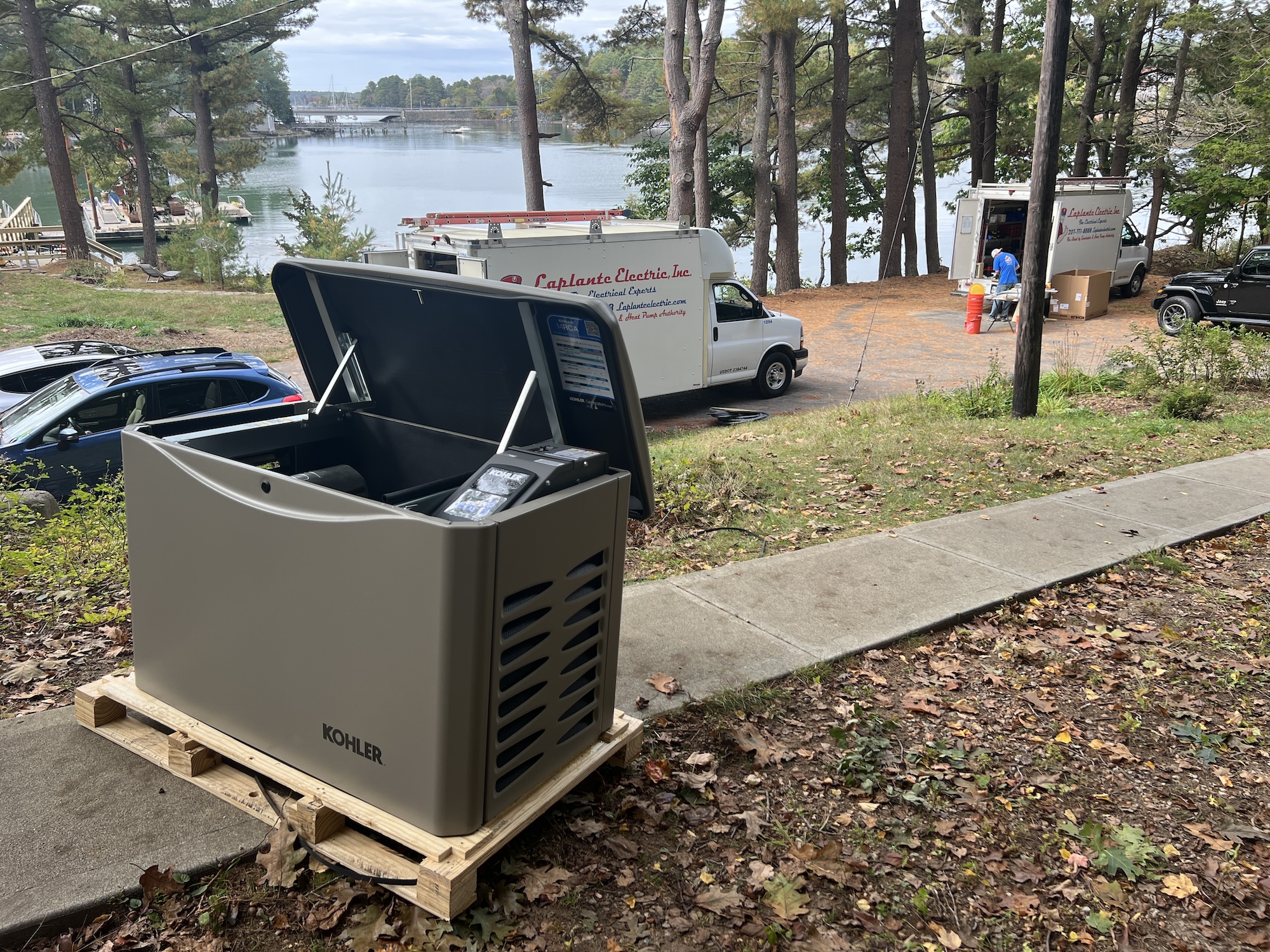
Standby Generator – A standby generator (or whole home generator) is able to power your entire home. It’s connected directly to your property’s natural gas or liquid propane supply, so you don’t have to worry about running out of fuel or having to find more fuel in the middle of a blizzard. It automatically turns on and off when it detects an outage or restoration of power without you having to lift a finger.
How to Choose a Right-Sized Generator
Whether you choose a backup or standby generator, the proper size of the unit depends on the size of your home and the number of appliances and systems that will rely on the generator. You need to trust that your generator will be able to handle the load to keep you safe and comfortable even when the weather is unpredictable.
We use the National Electric Code to dictate what size of generator is required to safely accommodate the appliances and systems in your home. The National Electric Code, or NEC, is the benchmark for safe electrical design, installation, and inspection to protect people and property from electrical hazards. We’ll always take all details into account to make sure we get the job done RIGHT.
Installing a Generator with LaPlante
We’re here to help you with every choice and step of the way. When you choose LaPlante to install your generator, we always start with an initial consultation. This lets us get an idea of what you want to power in your home and determine the best location and generator size for you. Once we have all the data, we go through your best options so you can make an informed decision.
We also offer flexible financing options so you don’t have to break the bank to stay powered through the next storm. Don’t wait until you’re stuck in the dark, struggling to calm your kiddos, before you schedule your generator consultation. Call us today so the next time the power goes out, you won’t even realize it.


Leave a Reply