

When snow’s in the forecast, half of Southern Maine is panic-shopping at Hannaford, while the other half just goes about life as normal. Your neighbor is buying enough milk to start a small dairy farm, while you’re furiously grabbing bread before it runs out.
The storm prep that actually protects your home has nothing to do with carbs. It starts with getting your house and systems ready long before the first nor’easter decides to punch the powerlines. That means preparing your heating, plumbing, electrical, and backup systems—the things that really keep a Maine home running when winter gets feisty.
Start With the Outside: Maine Storm Prep Basics
Before the wind picks up and the snowbanks start competing with your front porch, take a walk around your property. Look up, look down, look for anything that might become a problem at 2 a.m. during a storm.
Clear gutters help prevent ice dams. Trimmed tree limbs are less likely to break and take out your roof. And making sure your walkways, stairs, and driveways are prepped with sand or salt means you won’t be skating your way to the mailbox.
If you haven’t touched your snowblower since last March, now’s the moment to make sure it still starts. Give it fresh fuel, test it, and remind it winter is a team sport. Keep shovels accessible and not buried behind last summer’s lawn toys.
Inside, build a basic emergency kit: batteries, flashlights, bottled water, blankets, and chargers. Ready.gov recommends keeping at least three days of essentials on hand for winter storms—just enough to stay safe without turning the house into a bunker.
Prep the Inside: Heating, Plumbing & Electrical Systems
Next up: the systems that actually keep you warm, dry, and comfortable. Cold snaps are notorious for revealing all the places your home wasn’t quite ready for winter. Start by checking your heating system. Make sure you’ve changed filters, booked maintenance, and know where that manual is, just in case…
Frozen pipes may be a rite of passage for Maine homeowners, but they don’t have to be your rite of passage this year. Insulate exposed plumbing, check pipe heat tape if you have it, and keep cabinet doors open during deep freezes to encourage airflow. If your water heater is due for a look, this is a good time to take care of it. LaPlante’s plumbing services can help ensure everything is winter-ready.
Your electrical panel also deserves some attention. Make sure:
- Clearly labeled,
- Nothing looks burnt, loose, or questionable,
- You know how to safely reset a breaker.
If you’ve been thinking about updating old wiring or adding surge protection, don’t wait for a storm to remind you why you meant to.
Storm Prep for Modern Homes: Don’t Forget Tech & Comfort Systems
Heat pumps, smart thermostats, and home office gear are great—until the power blinks. Verify your heat pump’s winter mode is set correctly and that you’ve cleaned filters. If you work from home (which is about 40% of the Portland area these days), make sure your modem, router, and devices have surge protection.
Your sump pump is the unsung hero during heavy snowmelt and freezing rain. Test it. Listen for odd noises. Consider whether it needs a battery backup—because when water is rising, it’s not polite enough to wait for the utility company to get around to your neighborhood. Our electrical services can assess whether your panel or sump pump circuit needs updates before heavy winter arrives.
Why Home Backup Power Matters (After Everything Else Is Ready)
Once your home is physically and mechanically ready for winter, the last big piece of storm prep is ensuring you can keep everything powered during an outage. Maine sees its fair share of nor’easters and ice storms, and when they knock out power, having reliable backup power isn’t a luxury—it’s what keeps your heat on, your pipes from freezing, and your family safe.
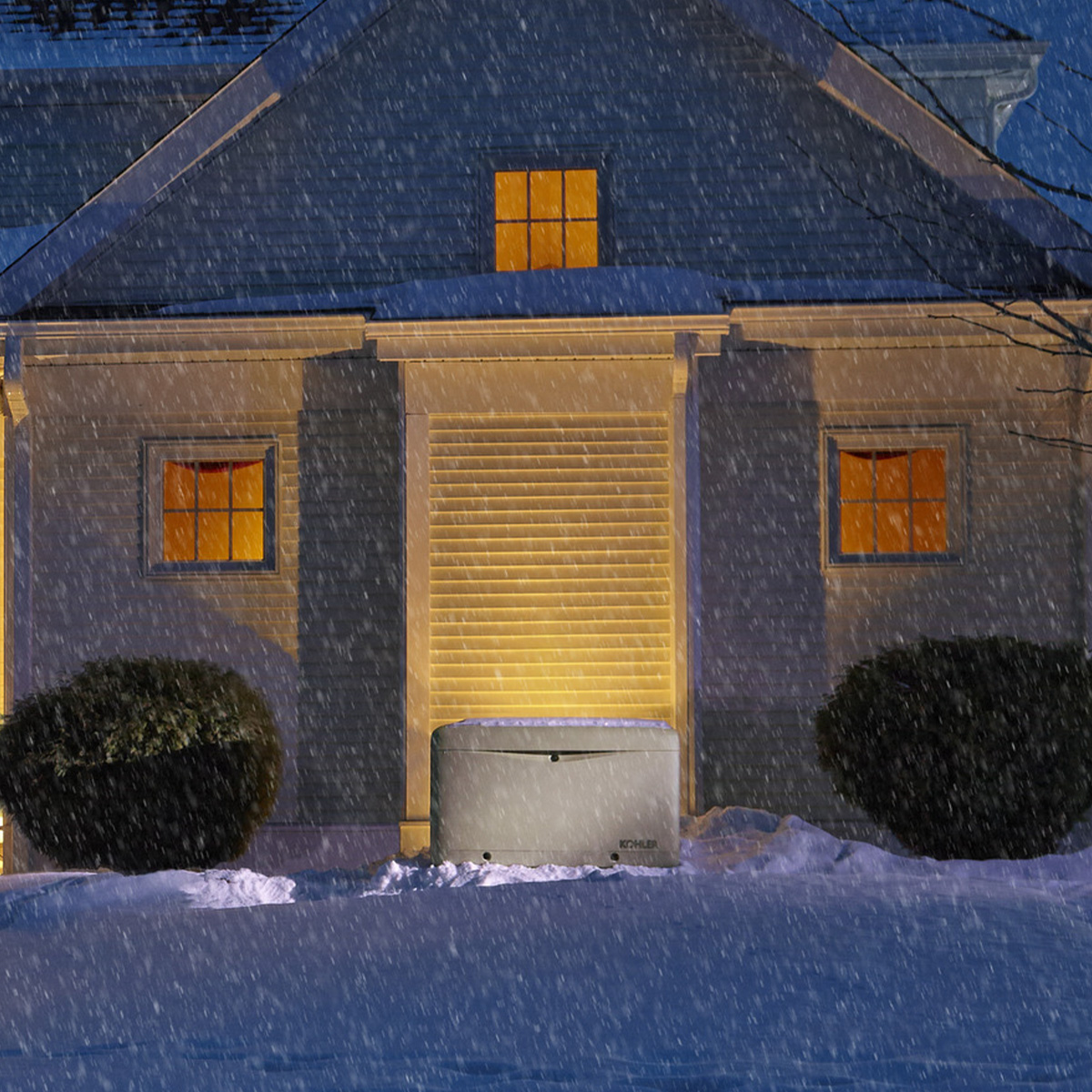
An automatic standby generator provides power within seconds. No hauling equipment out of the garage. No refueling in a snowstorm. No losing heat or shutting down your home office. It keeps essentials like your heating system, sump pump, fridge, and medical equipment running as if nothing happened.And if you choose a whole home generator, it keeps everything running—lights, appliances, comfort systems, and that collection of blow-up snowmen out front.
Why Homeowners Choose LaPlante
With 50+ years serving Southern Maine, LaPlante understands the quirks of Maine homes—from older wiring and tight basements to heating systems that need a little coaxing in January. We have been providing standby generator installations in Maine for over 20 years, and homeowners trust us because we size our generator systems based on your real household needs, handle all permitting, and install systems correctly and safely the first time.
Plus, with our combined electrical, plumbing, and HVAC services, we’re your one-stop storm-prep partner, making sure every part of your home is ready for whatever winter decides to throw your way.
Quick Look: When a Home Generator Really Matters
- Freezing temperatures when your heating system needs electricity to operate
- Heavy snowmelt when your sump pump is working overtime
- Keeping refrigerators and freezers cold during long outages
- Powering medical or mobility equipment reliably
- Maintaining internet and workspace power during winter storms
Quick Look: What You Gain with a Standby Generator
- Freezing temperatures when your heating system needs electricity to operate
- Heavy snowmelt when your sump pump is working overtime
- Keeping refrigerators and freezers cold during long outages
- Powering medical or mobility equipment reliably
- Maintaining internet and workspace power during winter storms
FAQs: Backup Generators in Maine
Q. How do I know what size generator I need?
A. We size your generator based on your real electrical load as well as personal preference—heat, sump pump, lighting, appliances—so you’re covered without overspending.
Q.Where can the generator be placed?
A. Placement depends on Maine code and manufacturer safety clearances. We choose a location with proper airflow and space for winter snow removal.
Q. How loud are standby generators?
A. Modern systems are far quieter than older ones. Air-cooled units are reasonably quiet, and liquid-cooled generators are even quieter. Placement helps reduce noise.
Q: What does installation day look like?
A: Most installations take one day with a brief planned outage. We handle everything from permits to propane/natural gas coordination to final testing.
Q: How much does installation cost?
A: It varies by generator size, fuel type, and home setup. We provide clear, customized estimates—no guesswork or surprises.
Q: Do generators need maintenance?
A: Yes—annual maintenance keeps warranties valid and ensures reliability. The CDC recommends annual inspection for safe operation.
Before the Next Storm Hits…
Keep the bread-and-milk ritual if it makes you happy—we don’t judge. We’ll probably be behind you in the checkout line. But if you’ve ever sat through a multi-day outage thinking, “I should really get a generator,” this is your sign. The best time to prepare is before the next forecast, not during it.
Call LaPlante at (207) 771-8888 to schedule your free generator consultation. We’ll walk you through your options and build a plan that fits your home, comfort, and budget.


Leave a Reply